
Application of Brute Force Algorithm Optimization as an Industrial Hotspot in Inventory Management and Control
Abstract
The primary challenge in inventory management is to strike a balance between maintaining optimal inventory levels to meet customer demand while minimizing holding costs. Traditional inventory management techniques often fall short of achieving this balance, leading to inefficiencies and increased costs for industrial organizations. The need for more efficient and effective inventory management solutions has led to the exploration of optimization algorithms, such as the Brute Force Algorithm, as a potential solution to this problem. To investigate the application of the Brute Force Algorithm in inventory management and control, a comprehensive review was conducted on Brute Force Algorithm optimization for warehouse layout, inventory replenishment, risk identification and opportunities, demand planning, inventory forecasting and recent trends. Information was gathered from online databases and relevant literature from library sources. Results of the study revealed that the Brute Force Algorithm can significantly improve inventory management and control in the manufacturing company. By optimizing the processes, this algorithm can reduce excess inventory levels and holding costs while ensuring that customer demand is met efficiently. The study further indicated that implementation of this algorithm could cause a reduction in stock-outs and backorders, improving overall customer satisfaction. The findings also suggested that the Brute Force Algorithm can be a valuable tool for industrial organizations looking to enhance their inventory management processes. By optimizing inventory levels through this algorithm, companies can achieve a better balance between supply and demand, leading to increased profitability and customer
satisfaction.
Keywords:Brute forceAlgorithmInventory managementIndustrial hotspotOptimization
1. Introduction
Brute force algorithm optimization has emerged as a significant industrial hotspot in inventory management and control. With the increasing complexity of supply chains and the need for efficient inventory management, businesses are turning to brute-force algorithms to streamline their operations [1], [2]. This method involves systematically analyzing all possible combinations of inventory levels, ordering quantities, and lead times to determine the most cost-effective and efficient solution. In the context of inventory management, brute force algorithm optimization can be applied to various tasks such as inventory forecasting, demand planning, and inventory replenishment [3]. By considering all possible scenarios, businesses can make informed decisions that minimize costs, reduce stock-outs, and improve overall inventory management. The concept of brute force algorithm optimization is based on the idea of exhaustively searching through all possible combinations of variables in order to find the best solution [4].
This approach is particularly useful in situations where the problem space is relatively small, and the number of possible solutions is manageable. In the context of inventory management, this method can be used to determine the optimal inventory levels, reorder points, and safety stock levels for a given set of products. The morphology of brute force algorithm optimization involves breaking down the problem into its components and systematically evaluating each possible solution [5]. This process typically involves iterating through all possible combinations of variables and evaluating the performance of each solution based on a predefined set of criteria. The goal is to identify the solution that maximizes the desired outcome, such as minimizing inventory holding costs or maximizing service levels. In terms of behavior, brute force algorithm optimization is characterized by its systematic and exhaustive approach to problem-solving [6].
This method is particularly well-suited for situations where the problem space is relatively small, and the number of possible solutions is manageable. However, brute force algorithm optimization can be computationally intensive and may not be practical for large-scale inventory management problems. Brute force algorithm optimization is a valuable tool in the field of inventory management and control [7]. By systematically evaluating all possible solutions to a problem, this method can help organizations optimize their inventory levels, improve demand forecasting accuracy, and enhance overall supply chain efficiency. While brute force algorithm optimization may not be suitable for all inventory management problems, it remains a valuable technique in the industrial hotspot of inventory management and control [8].
2. Recent Trends in Brute Force Algorithm Optimization
Recent trends in technology and computing power have enabled significant advancements in brute force algorithm optimization, leading to more efficient and effective inventory management strategies. Recent trends in brute force algorithm optimization are as follows:
I. The development of more powerful computing systems: the increasing availability of high-performance computing resources has allowed for the rapid processing of large amounts of data, making it possible to implement brute-force algorithms on a much larger scale. This has led to improved accuracy and speed in inventory management and control, allowing businesses to make more informed decisions in real time [9], [10].
I. The integration of machine learning and artificial intelligence techniques: by incorporating these advanced technologies into brute force algorithms, businesses can now automate the process of inventory optimization and control, reducing the need for manual intervention and minimizing the risk of human error. This has resulted in more efficient and cost-effective inventory management practices, leading to increased profitability and competitiveness in the market [11], [12].
II. The development of cloud computing and big data analytics: these technologies allow businesses to store and analyze vast amounts of data in real time, enabling them to make more accurate predictions and optimize their inventory levels accordingly [13], [14]. By leveraging the power of cloud computing and big data analytics, businesses can now implement brute force algorithms on a much larger scale, leading to improved efficiency and effectiveness in inventory management and control.
Recent trends in brute force algorithm optimization have revolutionized the field of inventory management and control, leading to significant advancements in efficiency and effectiveness. By leveraging the power of high-performance computing, machine learning, artificial intelligence, cloud computing, and big data analytics, businesses can now implement brute force algorithms on a much larger scale, leading to improved accuracy and speed in inventory management practices.
3. Types of Brute Force Algorithms in Inventory Management
Inventory management is a critical aspect of any business operation, as it directly impacts the efficiency and profitability of the organization. One common approach to optimizing inventory management is the use of brute force algorithms, which can be used to optimize various aspects of inventory control, such as ordering, stocking, and replenishment. The various types of Brute force algorithms in inventory management strategies are as follows:
I. The exhaustive search algorithm, which involves systematically evaluating all possible combinations of inventory levels to determine the optimal ordering and stocking strategy. This approach can be computationally intensive, especially for large inventory systems, but it guarantees finding the best solution [15].
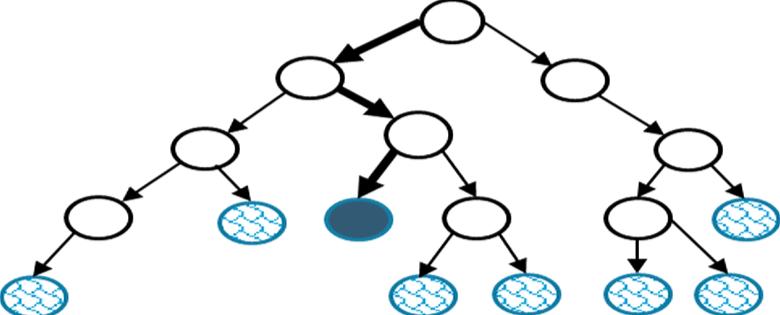
II. The branch and bound algorithm, which is a more efficient version of the exhaustive search algorithm. The branch and bound algorithm involves breaking down the problem into smaller sub-problems and using heuristics to prune branches that are unlikely to lead to the optimal solution [17]. This approach can significantly reduce the computational complexity of the optimization process while still ensuring a near-optimal solution.
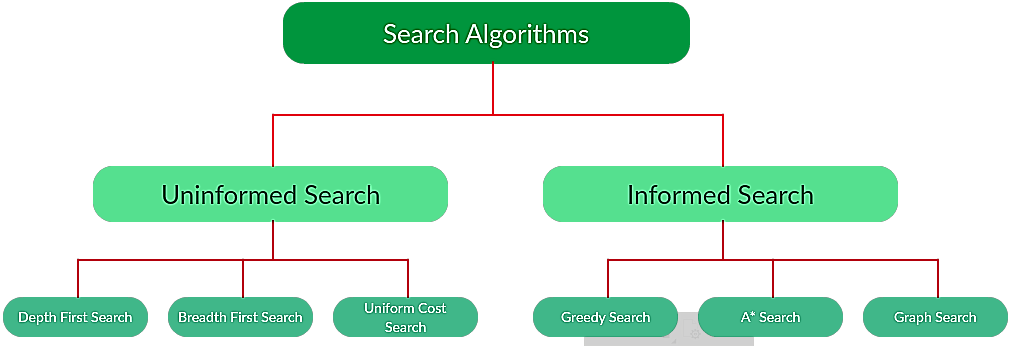
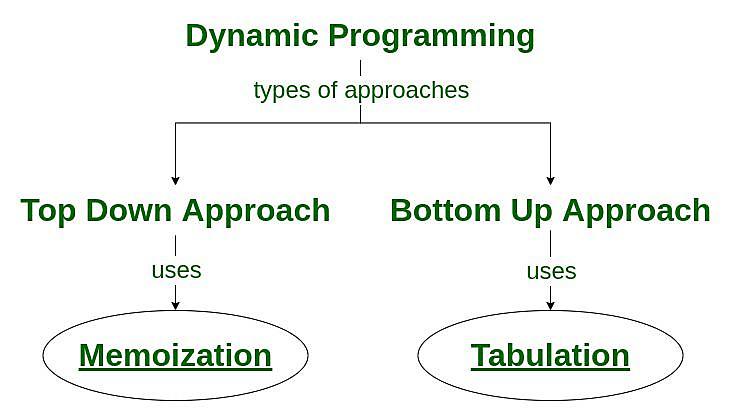
III. The dynamic programming algorithm. Dynamic programming involves breaking down the problem into smaller sub-problems and solving them recursively, storing the solutions to sub-problems in a table to avoid redundant calculations [19]. This approach can be particularly useful for optimizing inventory replenishment policies, as it allows for the consideration of multiple factors such as lead times, demand variability, and holding costs.
I. Heuristics: heuristics are problem-solving techniques that involve using rules of thumb or intuition to find a good solution quickly. By incorporating heuristics into brute force algorithms, the search space can be reduced, leading to faster and more efficient solutions [21]. For example, in stock replenishment, heuristics can be used to prioritize the order in which items are restocked based on factors such as demand, lead time, and storage capacity.
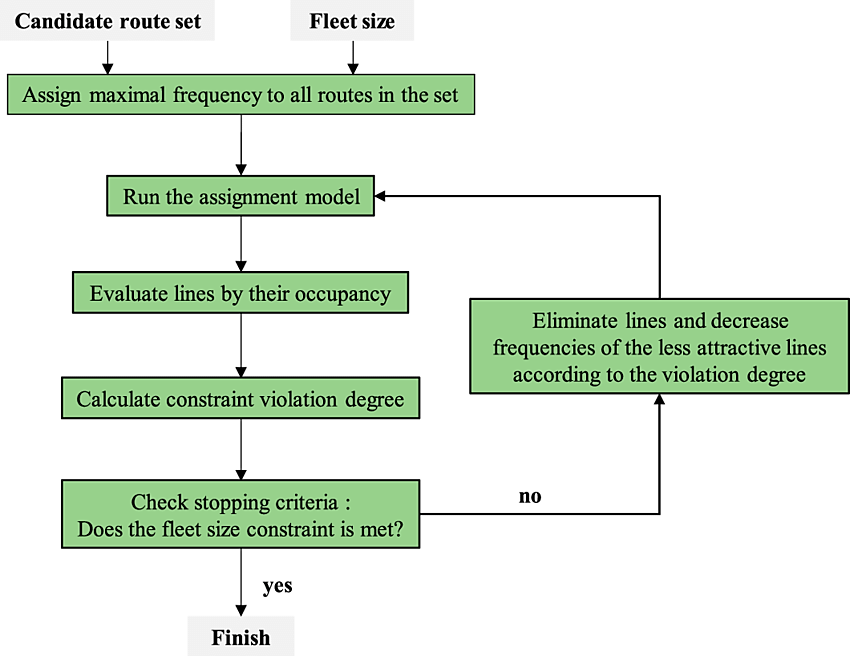
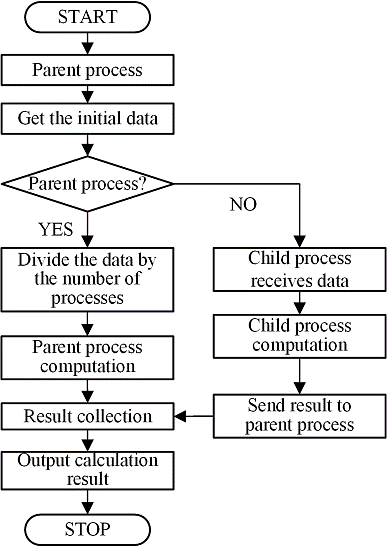
II. Parallel processing is another type of brute force algorithm optimization that involves breaking down a problem into smaller sub-problems and solving them simultaneously on multiple processors. This can significantly reduce the time required to find a solution, especially for complex inventory management problems [23]. For example, in order picking, parallel processing can be used to optimize the route taken by warehouse workers to fulfill customer orders most efficiently.
III. Genetic algorithms can be used to optimize brute force algorithms in inventory management and control. Genetic algorithms are optimization techniques inspired by the process of natural selection. They work by generating a population of potential solutions, evaluating their fitness, and then evolving the population over multiple generations to find the best solution [25], [26]. By incorporating genetic algorithms into brute force algorithms, the search process can be guided towards more promising regions of the solution space, leading to faster convergence and better solutions.
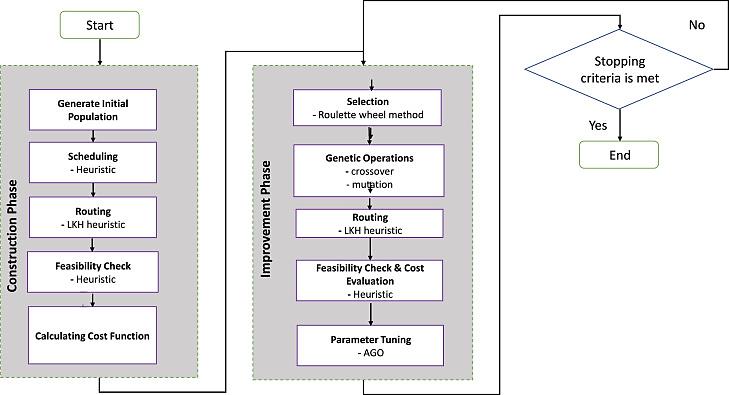
Brute force algorithm optimization techniques can be a valuable tool for improving inventory management in businesses. By systematically exploring all possible solutions to inventory control problems, these algorithms can help organizations find the optimal ordering, stocking, and replenishment strategies.
4. Components of Brute Force Algorithm for Inventory Management
Inventory management is a critical aspect of any business operation, as it directly impacts the efficiency and profitability of the organization. One of the key components of inventory management is the use of algorithms to optimize inventory levels and ensure timely replenishment of stock. One such algorithm that is commonly used in inventory management is the Brute Force Algorithm. The Brute Force Algorithm is a straightforward approach to solving complex optimization problems, such as inventory management. It involves systematically examining all possible solutions to a problem and selecting the best one based on predefined criteria. In the context of inventory management, the Brute Force Algorithm can be used to determine the optimal order quantity, reorder point, and safety stock levels for each item in the inventory. Several essential key components of the Brute Force Algorithm make it an effective tool for inventory management. Some of the key components are:
I. The exhaustive search process, where all possible combinations of inventory levels are evaluated to identify the best solution. This ensures that no potential solution is overlooked, leading to a more accurate and reliable optimization of inventory levels [28], [29].
II. The objective function, which defines the criteria for evaluating the quality of each solution. In the context of inventory management, the objective function may include factors such as minimizing stock-outs, reducing holding costs, and maximizing service levels [30], [31]. By defining a clear objective function, the Brute Force Algorithm can effectively prioritize solutions that align with the organization's inventory management goals.
III. The Brute Force Algorithm also incorporates constraints, such as budget limitations, lead times, and supplier capacities, to ensure that the solutions generated are feasible and practical for implementation. By considering these constraints during the optimization process, the algorithm can provide realistic and actionable recommendations for inventory management [32], [33].
IV. Optimal order quantity is a key component of the Brute Force Algorithm in inventory management that refers to the amount of inventory that should be ordered at one time to minimize costs while ensuring that there is enough stock to meet demand. By considering factors such as carrying costs, ordering costs, and demand variability, the algorithm can determine the order quantity that will result in the lowest total cost [34], [35].
V. Reorder point is another important component of the Brute Force Algorithm. This is the level of inventory at which a new order should be placed to avoid stock-outs. By analyzing historical demand data and lead times, the algorithm can calculate the reorder point that will ensure that there is enough inventory on hand to meet demand until the next order arrives [36].
VI. Brute Force Algorithm also considers safety stock levels as a key component. Safety stock is extra inventory held to protect against unexpected fluctuations in demand or lead times. By factoring in safety stock levels, the algorithm can ensure that there is a buffer of inventory to prevent stock-outs and maintain customer satisfaction [37], [38].
By considering the aforementioned factors, the Brute force algorithm can help businesses make informed decisions about their inventory management strategies. While it may be time-consuming to calculate all possible solutions, the benefits of using the Brute Force Algorithm can outweigh the drawbacks in terms of improved efficiency and cost savings.
5. Procedure for Conducting Brute Force Algorithm Optimization in Inventory Management
In order to optimize inventory management and control, businesses often employ various algorithms to streamline their processes. One such algorithm is the brute force algorithm, which involves systematically checking all possible solutions to find the optimal one. The procedures for conducting brute force algorithm optimization in inventory management are as follows:
I. The first step in conducting brute force algorithm optimization is to define the problem at hand clearly. This involves identifying the specific inventory management issue that needs to be addressed, such as minimizing stock-outs, reducing excess inventory, or optimizing order quantities. Once the problem has been clearly defined, the next step is to identify the variables and constraints that will be used in the optimization process. This may include factors such as demand forecasts, lead times, and storage capacity [39], [40].
II. With the problem and variables identified, the next step is to generate all possible solutions. This involves systematically generating all possible combinations of variables and constraints to determine the optimal solution [41]. In the context of inventory management, this may involve calculating the optimal order quantities for each product, determining the best storage locations for each item, or identifying the most cost-effective suppliers [42].
III. Once all possible solutions have been generated, the next step is to evaluate each solution based on a predefined objective function. This objective function may be based on factors such as cost, service level, or lead time. By evaluating each solution against the objective function, businesses can identify the optimal solution that best meets their inventory management goals [43], [44].
IV. After identifying the optimal solution, the final step is to implement the recommended changes in the inventory management system. This may involve adjusting order quantities, reorganizing storage locations, or renegotiating supplier contracts. By implementing the optimized solution, businesses can improve their inventory management processes and achieve greater efficiency and profitability [45], [46].
Conducting brute force algorithm optimization in inventory management and control involves a systematic approach to identifying, generating, evaluating, and implementing optimal solutions. By following the aforementioned procedure, businesses can effectively optimize their inventory management processes and achieve greater success in their operations.
6. Factors Affecting the Implementation of Brute Force Algorithm Optimization in Inventory Management
The implementation of brute force algorithm optimization in inventory management and control is not without its challenges. Several essential factors can affect the successful implementation of brute force algorithm optimization in this context. These include the following:
I. The size of the dataset: brute force algorithms are known for their simplicity and effectiveness, but they can become computationally expensive as the size of the dataset increases. In the context of inventory management, businesses often deal with large volumes of data, including information on product demand, supply chain logistics, and storage capacities. Implementing brute force algorithm optimization on such a large dataset can lead to significant processing times and resource constraints, making it impractical for real-time decision-making [47], [48].
II. Complexity of the optimization problem: inventory management involves multiple variables and constraints, such as demand variability, lead times, and storage costs. Brute force algorithms may struggle to efficiently handle these complex optimization problems, leading to suboptimal solutions or even infeasible outcomes. Businesses must carefully consider the specific requirements of their inventory management system and evaluate whether brute force algorithm optimization is the most suitable approach for addressing these challenges [49], [50].
III. Scalability: as businesses grow and expand their operations, the volume and complexity of inventory data are likely to increase. Implementing brute force algorithm optimization on a small scale may yield satisfactory results, but it may not be scalable to meet the evolving needs of a growing business. Businesses must assess the scalability of brute force algorithm optimization and consider alternative optimization techniques that can accommodate future growth and changes in inventory management requirements [51], [52].
While brute force algorithm optimization can offer a simple and effective solution for inventory management and control, several essential factors can impact its successful implementation. Businesses must carefully evaluate the size of the dataset, the complexity of the optimization problem, and the scalability of brute force algorithm optimization to determine its suitability for their inventory management needs.
7. Brute Force Algorithm in Inventory Forecasting Process
Brute Force Algorithm is a popular method used in inventory forecasting to analyze historical data and make accurate predictions. In the context of inventory forecasting, the algorithm involves analyzing historical sales data to identify patterns and trends and then using this information to predict future demand for products [53], [54]. This method does not rely on sophisticated mathematical models or algorithms but rather on brute-force computation to generate accurate forecasts. The operation principles of the Brute Force Algorithm in inventory forecasting involve data collection (gather historical sales data for the products being forecasted), data analysis (analyze the data to identify patterns, trends, and seasonality), forecasting (using the historical data to predict future demand for the products) and evaluation (compare the forecasted demand with actual sales data to assess the accuracy of the predictions) [55], [56]. The brute Force Algorithm is commonly used in inventory forecasting for products with stable demand patterns and limited variability. It is particularly effective for forecasting products with low demand volatility, as it does not require complex mathematical models or algorithms. This method is suitable for small to medium-sized businesses that do not have access to sophisticated forecasting tools or software [57], [58]. The use of brute force algorithm in inventory forecasting offers several benefits, including simplicity (the algorithm is easy to implement and does not require advanced mathematical knowledge), accuracy (by analyzing historical data and identifying patterns, the algorithm can generate accurate forecasts), cost-effectiveness (brute force algorithm is a cost-effective solution for businesses with limited resources) and flexibility (the algorithm can be customized to suit the specific needs of the business and the products being forecasted) [59], [60]. By systematically analyzing historical data and predicting future demand, businesses can optimize their inventory levels and improve supply chain efficiency. This method is particularly suitable for small to medium-sized businesses looking for a straightforward and effective forecasting solution.
8. Brute Force Algorithms Optimization in Demand Planning
Brute force algorithm optimization involves exhaustively evaluating all possible solutions to a problem to identify the best one. In the context of demand planning for inventory management, brute force algorithms can be used to analyze various factors such as historical sales data, market trends, and customer preferences to forecast demand accurately [61]. By considering all possible scenarios, businesses can make informed decisions about inventory levels, production schedules, and supply chain logistics. The operation principles of brute force algorithms optimization are relatively straightforward. The algorithm systematically evaluates each possible solution by testing all combinations of variables until the optimal solution is found. While this method can be computationally intensive and time-consuming, it is highly effective in identifying the best course of action for demand planning in inventory management. By adopting this approach, businesses can improve forecasting accuracy, reduce stock-outs and overstock situations, optimize production schedules, and enhance overall supply chain efficiency [62], [63]. The implementation of brute force algorithms optimization in demand planning for inventory management requires a robust technological infrastructure and skilled data analysts. Businesses must invest in advanced analytics tools, data management systems, and training programs to effectively leverage this approach [64]. Additionally, businesses must ensure that they have access to high-quality data sources and reliable forecasting models to support the algorithm's operations.
9. Brute Force Algorithm in Risk Identification and Opportunities
In order to effectively manage inventory, businesses must be able to identify potential risks and opportunities in the market. One method that can be used to achieve this is through the use of brute force algorithms, which analyze large sets of data in order to identify potential risks and opportunities in the market [65], [66]. One way in which brute force algorithms can help identify potential risks in the market is by analyzing historical sales data and trends. By examining past sales patterns, businesses can identify potential risks such as slow-moving inventory or declining demand for certain products. This information can then be used to make informed decisions about inventory levels and product offerings in order to mitigate these risks. On the other hand, brute force algorithms can also help identify opportunities in the market by analyzing market trends and customer behavior. By analyzing data on customer preferences and purchasing habits, businesses can identify potential opportunities for new product offerings or marketing strategies. This information can then be used to capitalize on these opportunities and drive sales growth [67], [68]. By systematically analyzing large sets of data, businesses can identify potential risks and opportunities in the market, allowing them to make informed decisions that will ultimately lead to increased profitability and success.
10. Inventory Replenishment via Brute Force Algorithm Optimization
Inventory replenishment is a critical aspect of inventory management that involves the timely restocking of goods to ensure that a company has the right amount of inventory on hand to meet customer demand [69]. In recent years, the use of brute force Algorithm optimization has gained popularity as a method for optimizing inventory replenishment processes. The first step in implementing inventory replenishment via brute force Algorithm optimization is to define the problem. This involves identifying the key variables that impact inventory levels, such as demand patterns, lead times, and order quantities [7]. Once the problem has been defined, the next step is to develop a mathematical model that can be used to optimize inventory replenishment decisions. This model will take into account factors such as demand variability, lead time variability, and holding costs to determine the optimal order quantities and reorder points. The principles of brute force Algorithm optimization involve the generation of all possible combinations of order quantities and reorder points, calculating the total cost associated with each combination, and selecting the combination that minimizes total cost [70].
While this approach can be computationally intensive, advances in computing power have made it feasible to apply brute-force Algorithm optimization to large-scale inventory management problems. By optimizing order quantities and reorder points, companies can reduce holding costs, minimize stock-outs, and improve customer service levels [71]. In addition, brute force Algorithm optimization can help companies better manage demand variability and lead time variability, leading to more accurate inventory forecasts and improved Inventory Turnover Rates (ITR). The significance of inventory replenishment via brute force Algorithm optimization lies in its ability to improve the efficiency and effectiveness of inventory management processes [72]. By using mathematical models to optimize inventory replenishment decisions, companies can reduce costs, improve service levels, and increase profitability. In today's competitive business environment, where companies are under increasing pressure to deliver products faster and more efficiently, inventory replenishment via brute force Algorithm optimization can provide a competitive advantage [73].
11. Order Picking Via Brute Force Algorithm Optimization
In inventory management, Brute force algorithm optimization can significantly impact the speed and accuracy of order-picking processes, ultimately leading to improved operational efficiency and customer satisfaction [74]. It involves an exhaustive evaluation of all possible combinations of items to be picked in order to identify the most efficient route for the picker. By considering every possible scenario, this method ensures that the optimal solution is achieved, minimizing the time and resources required to fulfill orders. This systematic approach is particularly effective in complex warehouse environments where there are numerous SKUs and picking locations to consider.
The implementation of brute force algorithm optimization in order picking requires the use of advanced software systems that can analyze large amounts of data and calculate the most efficient route for pickers [75]. These systems take into account factors such as item location, order priority, and picker availability to generate optimized picking routes. By automating this process, companies can streamline their order-picking operations and reduce the risk of errors or delays. By optimizing picking routes, companies can reduce the time and labor required to fulfill orders, leading to cost savings and increased productivity [76]. Additionally, by minimizing the distance traveled by pickers, companies can improve the overall efficiency of their warehouse operations and enhance customer satisfaction through faster order fulfillment. The implementation of advanced software systems that can automate this process is essential for companies looking to optimize their order-picking operations and stay competitive in today's fast-paced business environment.
12. Warehouse Layout via Brute Force Algorithm Optimization
Brute force algorithms operate by systematically evaluating all possible solutions to a given problem without any heuristic or optimization techniques. This approach ensures that the optimal solution is found, albeit at the cost of increased computational complexity. In the context of warehouse layout optimization, brute force algorithms can be used to explore all possible configurations of storage locations, aisle layouts, and picking paths to identify the most efficient solution [77]. The first step in implementing brute force algorithms for warehouse layout optimization is to define the problem at hand. This involves identifying the objectives of the optimization process, such as maximizing storage capacity, minimizing travel time for picking operations or reducing congestion in the warehouse. Once the problem is clearly defined, the next step is to generate all possible solutions using brute-force algorithms. By systematically evaluating all possible solutions, these algorithms can identify the most efficient layout that minimizes travel time, maximizes storage capacity and reduces congestion. This can lead to cost savings, improved productivity, and enhanced customer satisfaction [78]. The implementation of brute force algorithms for warehouse layout optimization involves developing a computational model that represents the warehouse layout and inventory management processes. This model is then used to generate and evaluate all possible solutions using brute-force algorithms [79]. The optimal solution is selected based on predefined criteria, such as minimizing total travel distance or maximizing storage density. While brute force algorithms may be computationally intensive, they guarantee the identification of the best possible layout configuration and finding the optimal solution to complex optimization problems in warehouse layout [80]. This can lead to tangible benefits for warehouse operations, such as reduced operating costs, improved order fulfillment rates, and enhanced overall efficiency.
13. Aspects of Inventory Management and Control
The various aspects of inventory management and control are as follows:
I. Lead time is the amount of time it takes for a company to receive a product after placing an order with a supplier. It includes the time required for processing the order, manufacturing the product, and shipping it to the company's warehouse. Lead time is a critical factor in inventory management as it directly impacts the company's ability to meet customer demand in a timely manner. It is mathematically represented as
Lead Time = Delivery date − Order date. (1)
II. Economic Order Quantity (EOQ) is a formula used to determine the optimal order quantity that minimizes total inventory costs. It takes into account the costs of ordering, holding, and stock-out costs to find the most cost-effective quantity to order. By using the EOQ formula, companies can ensure that they are not overstocking or understocking their inventory, leading to improved efficiency and cost savings. It is represented as
2DC0
EOQ = √[ ]. (2)
Ch
III. Safety stock is the extra inventory that a company holds to protect against fluctuations in demand or lead time.
It acts as a buffer to ensure that the company can meet customer demand even in unforeseen circumstances. By maintaining a safe stock, companies can reduce the risk of stock-outs and maintain high levels of customer satisfaction. Safety stock is expressed as
Safety Stock = (Maximum Lead Time − Average Lead Time) ∗
Average Product Demand. (3)
IV. Inventory Carrying Cost (ICC) is the cost associated with holding inventory in a company's warehouse. It includes costs such as storage, insurance, and obsolescence. Carrying costs are an important consideration in inventory management as they directly impact the company's profitability. By minimizing carrying costs through efficient inventory management practices, companies can improve their bottom line. Carrying cost is mathematically expressed as:
Total Cost of Holding Inventory
ICC = ∗ 100. (4)
Total Value of Inventory
V. Stock-out occurs when a company runs out of a product and is unable to fulfill customer orders. Stock-outs can result in lost sales, decreased customer satisfaction, and damage to the company's reputation. By implementing effective inventory management strategies, companies can reduce the risk of stock-outs and ensure that they can meet customer demand consistently. It is mathematically expressed as
Stockout = Number of Unsupplied Items ∗ Unit Storage Cost. (5) VI. Gross Margin Return on Investment (GMROI) is a metric used to evaluate the profitability of inventory investments. It measures the return on investment generated by each dollar of inventory. By calculating the GMROI, companies can assess the effectiveness of their inventory management practices and make informed decisions to improve profitability. GMROI is expressed as
Gross Margin
GMROI = . (6)
Average Invetory Investment
IV. ITR is a measure of how quickly a company sells through its inventory. It is calculated by dividing the cost of goods sold by the average inventory level. A high ITR indicates that a company is efficiently managing its inventory and generating sales, while a low turnover rate may indicate overstocking or slow-moving inventory. ITR is mathematically expressed as
Cost of Goods Sold
ITR = . (7)
Average Inventory Level
V. Maximum Stock Level (MSL) is the highest level of inventory that a company should hold to meet customer demand without incurring excess costs. By setting a MSL, companies can prevent overstocking and minimize carrying costs while ensuring that they can fulfill customer orders in a timely manner. MSL is expressed as
MSL = (Reorder Point + Replenishment Quantity) − (Minimum Demand ∗ Lead Time). (8)
VI. Mastering the Reorder Point (MRP) is essential for effective inventory management. The reorder point is the inventory level at which a company should place a new order to replenish stock before running out. By calculating the reorder point based on lead time, demand, and safety stock, companies can ensure that they have the right amount of inventory on hand to meet customer demand. MRP is expressed as
MRP = Safety Stock + (Average Consumption ∗ Lead Time). (9)
VII. ABC analysis is a method used to categorize inventory based on its value and importance. It classifies items into three categories: A, B, and C, with A items being the most valuable and C items being the least valuable. By conducting an ABC analysis, companies can prioritize their inventory management efforts and focus on optimizing the inventory that has the greatest impact on their bottom line. ABC analysis can be expressed as
Annual Usage Value od an Item
ABC = ∗ 100. (10)
Total Annual Usage Value of all Items
Mastering the various aspects of inventory management, including lead time, EOQ, safety stock, carrying cost, stock-out, gross margin return on investment, inventory turnover rate, MSL, reorder point, and ABC analysis, is essential for companies to achieve optimal efficiency and profitability. By implementing effective inventory management practices, companies can minimize costs, improve customer satisfaction, and maximize their return on investment.
14. Brute Force Inventory Control Models
Inventory control is a critical aspect of supply chain management that aims to optimize the balance between holding costs and ordering costs. Various mathematical models have been developed to assist organizations in determining the most cost-effective inventory management strategies. The commonly used Brute force inventory control models are discussed in this section. While this approach can theoretically yield the most cost-effective solution, it is computationally intensive and may not be practical for large-scale inventory management. The commonly used brute force inventory control models are as follows:
Model 1. EOQ model with a constant rate of demand In the EOQ model with a constant rate of demand, it is assumed that the demand for the product remains constant over time. This simplifying assumption allows for a more straightforward calculation of the optimal order quantity, as the demand rate does not fluctuate. For real application of Eq. (2), the total variable inventory cost incurred when an order of size Q, placed at the end of the reorder cycle is considered in Eq. (11).
TVC = Annual carrying cost + Annual ordering cost. (11)
Substituting Q into Eq. (11) yields Eq. (12).
1max + 1min D Q D
⌊ ⌋ . Ch + . C0 = Ch + . C0. (12)
2 Q 2 Q The total variable inventory cost is minimum at a value of Q, which appears to be at the point where inventory carrying and ordering costs are equal, as expressed in Eq. (13).
D Q 2 2DC0
. C0 = . Ch or Q = . (13)
Q 2 Ch
Eq. (13) can further be represented as Eq. (14).
2DC0 2 ×Annual demand ×Ordering cost
Q ∗ (EOQ) = √[ ] = √ . (14)
Ch Carrying Cost
The optimal interval t* between the successive orders Q* is given by Eq. (15).
Annual demand × Reorder cycle time = D ∗ t. (15)
This can further be expressed mathematically as
∗ Q 1 2DC0 2C0
t = = × √ = √ . (16)
D D Ch DCh
The optimal number of orders (N*) to be placed in a given time period is given by Eq. (17).
∗ Annual Demand D 1 DCh
N = = = D × = √ . (17)
Optimal Order Quantity Q∗ 2C 2DC 0 √ 0 / C
The optimal (minimum) total variable inventory cost (TVC*) is given by Eq. (18).
∗ D Q 1 Ch
TVC = C0 + Ch = D. C0 × + × √2DC0/Ch = √2DC0Ch.
Q∗ 2 2 (18)
√2DC0 / C
However, the optimal total inventory cost is given by Eq. (19).
TC = Fixed purchase cost + Total variable inventory cost = D. C + TVC . (19)
Model 2. EOQ model with different rates of demand The EOQ model with different rates of demand considers varying demand rates over time. This model takes into account fluctuations in demand and calculates the optimal order quantity based on the changing demand patterns.
1 1 1 Carrying cost = q. t1 Ch + q. t2 Ch + ⋯ + q. tn Ch 2 2 2
(20)
= q. Ch (t1 + t2 + ⋯ + tn ) = q Ch T.
Hence,
Ordering Cost = C0. (21)
The annual total variable inventory cost is given by Eq. (22):
TVC = q Ch T + C0. (22) The optimum value of q that minimizes TVC, equating ordering cost and carrying cost, is expressed in Eq. (23):
1 D ∗
q Ch T = C0 or q = √2DC0/TCh Economic Order Quantity. (23)
Therefore,
∗ (24)
TVC = √2ChC0 (D/T) Optimal cost.
Model 3. Economic production quantity model when supply (replenishment) is gradual The Economic Production Quantity (EPQ) model is used when the supply (replenishment) of inventory is gradual rather than instantaneous. This model determines the optimal production quantity that minimizes total inventory costs while considering factors such as production costs, holding costs, and demand rate.
Imax = Inventory accumlation rate × Production time. (25-1)
= (p − d) tp = (p − d) = (1 − ) Q. (25-2)
The average inventory level is expressed as
(1 − ). (26)
Therefore,
Carrying cost = (1 − ) Ch. (27)
However,
Production set up cost = . C0. (28)
Hence,
Q D D
TVC = (1 − ) Ch + C0. (29)
2 p Q
The EOQ model is a widely used inventory control model that determines the optimal order quantity that minimizes total inventory costs. The EOQ model considers factors such as holding costs, ordering costs, and demand rates to calculate the most cost-effective order quantity. The selection of an appropriate inventory control model depends on various factors such as demand patterns, supply constraints, and cost considerations. By utilizing these mathematical models, organizations can optimize their inventory management strategies and improve overall operational efficiency.
15. Conclusion
This study comprehensively reviewed the application of Brute force Algorithm optimization as an industrial hotspot in inventory management and control, providing valuable insights into the potential benefits and limitations of this approach. The findings suggest that while Brute force Algorithm optimization can be a powerful tool for improving inventory management processes, it is not without its challenges. One of the key findings from this study is that Brute force Algorithm optimization can help businesses achieve significant cost savings by reducing excess inventory and minimizing stock-outs. By analyzing large amounts of data and identifying patterns and trends, this approach can help businesses make more informed decisions about when and how much to order, leading to more efficient inventory management practices. However, it is important to note that implementing Brute force Algorithm optimization can be complex and time-consuming. Businesses must invest in the necessary technology and resources to collect and analyze data effectively, as well as train employees on how to use the algorithms correctly. Additionally, the accuracy of the results generated by these algorithms can be influenced by the quality of the input data, so businesses must ensure that their data is clean and up-to-date.
Despite these challenges, the findings from this study suggest that Brute force Algorithm optimization can be a valuable tool for businesses looking to improve their inventory management and control processes. By considering and taking advantage of the power of data analysis and algorithmic optimization, businesses can make more informed decisions about their inventory levels, leading to improved efficiency, cost savings, and customer satisfaction. While Brute force Algorithm optimization may not be a one-size-fits-all solution for every business, the findings from this study indicate that it can be a valuable tool for businesses looking to optimize their inventory management processes.
Authors' Contributions
A. E. I.: Writing-original draft, Formal analysis, and Data curation, I. I. E.: Research design, and Conceptualization, Methodology, Visualization. I. B. O.: Investigation, Validation, and Supervision. The authors have read and agreed to the published version of the manuscript.
Consent for Publication
Consent for publication has been obtained from the authors.
Ethics Approval and Consent to Participate
No studies involving human participants or animals were performed in this research.
Funding
This research received no specific grant from funding agencies in the public, commercial, or not-for-profit sectors.
Data Availability
All data are included in the text.
Conflict of Interest
The authors declare no conflict of interest.
References
- [1] Oh, T. H., Choi, Y. B., & Chouta, R. (2012). Supply chain management for generic and military applications using RFID. International journal of future generation communication and networking, 5(1), 61. https://citeseerx.ist.psu.edu/document?repid=rep1&type=pdf&doi=3ad472d289f41438543e7b5a4573139d1a6f4e0
- [2] Liu, Y. H., Liu, T., Huang, Y., Ding, H., Xi, W., & Gong, W. (2023). CRC-based reliable wifi backscatter communiation for supply chain management. Applied sciences, 13(9). https://doi.org/10.3390/app13095471
- [3] Ekanem, I. I., Ohwoekevwo, J. U., & Ikpe, A. E. (2024). Conjectures of computer vision technology (CVT) on industrial information management systems (IMSs): A futuristic Gaze. Metaheuristic algorithms with applications, 1(1), 20–34. https://maa.reapress.com/journal/article/view/20
- [4] Robinson, A. C., & Quinn, S. D. (2018). A brute force method for spatially-enhanced multivariate facet analysis. Computers, environment and urban systems, 69, 28–38. https://doi.org/10.1016/j.compenvurbsys.2017.12.003
- [5] Abu Khurma, R., Aljarah, I., Sharieh, A., Abd Elaziz, M., Damaševičius, R., & Krilavičius, T. (2022). A review of the modification strategies of the nature inspired algorithms for feature selection problem. Mathematics, 10(3). https://doi.org/10.3390/math10030464
- [6] Liang, L., & Atkins, D. (2013). Designing service level agreements for inventory management. Production and operations management, 22(5), 1103–1117. https://doi.org/10.1111/poms.12033
- [7] Duan, Q., & Warren Liao, T. (2013). Optimization of replenishment policies for decentralized and centralized capacitated supply chains under various demands. International journal of production economics, 142(1), 194–204. https://doi.org/10.1016/j.ijpe.2012.11.004
- [8] Maitra, S. (2024). A system-dynamic based simulation and Bayesian optimization for inventory management. ArXiv Preprint ArXiv:2402.10975. https://arxiv.org/abs/2402.10975
- [9] Ikpe, A., & Ekanem, I. (2024). Adoption of machine learning in streamlining maintenance strategies for effective operations in automotive industries. Big data and computing visions, 4, 180–200. http://dx.doi.org/10.22105/bdcv.2024.476761.1187
- [10] Boute, R. N., & Udenio, M. (2023). AI in logistics and supply chain management. In global logistics and supply chain strategies for the 2020s: vital skills for the next generation (pp. 49–65). Cham: Springer International Publishing. https://doi.org/10.1007/978-3-030-95764-3_3
- [11] Ikpe, A. E., Ekanem, I. I., & Ohwoekevwo, J. U. (2024). Integration of internet of things in conventional vehicle technology and its synergy with vehicle telematics systems and fleet management sequence. Smart internet of things, 1(1), 31–53. https://www.siot.reapress.com/journal/article/view/27
- [12] Ekanem, I. I., Ikpe, A. E., & Ohwoekevwo, J. U. (2024). A study on IoT-enabled smart vehicles for road navigation and ride comfortability in contemporary vehicle applications. Soft computing fusion with applications, 1(2), 58–75. https://doi.org/10.22105/scfa.v1i2.30
- [13] Ahmed, D., Hassan, M., & Mstafa, R. (2022). A review on deep sequential models for forecasting time series data. Applied computational intelligence and soft computing, 2022. http://dx.doi.org/10.1155/2022/6596397
- [14] Sarker, I. H. (2021). Machine learning: Algorithms, real-world applications and research directions. SN computer science, 2(3), 160. https://doi.org/10.1007/s42979-021-00592-x
- [15] Balcik, B., Bozkir, C. D. C., & Kundakcioglu, O. E. (2016). A literature review on inventory management in humanitarian supply chains. Surveys in operations research and management science, 21(2), 101–116. https://doi.org/10.1016/j.sorms.2016.10.002
- [16] Taimoor, S., Ferdouse, L., & Ejaz, W. (2022). Holistic resource management in UAV-assisted wireless networks: An optimization perspective. Journal of network and computer applications, 205, 103439. https://doi.org/10.1016/j.jnca.2022.103439
- [17] Cesur, E., Cesur, M. R., & Abraham, A. (2024). Enhanced branch and bound algorithm: minimizing subproblem complexity in power dispatch. IEEE access, 12, 93753–93760. https://doi.org/10.1109/ACCESS.2024.3422261
- [18] Shokry, S., Tanaka, S., Nakamura, F., Ariyoshi, R., & Miura, S. (2018). Bandwidth maximization approach for displaced left-turn crossovers coordination under heterogeneous traffic conditions. Journal of traffic and transportation engineering, 6, 183–196. http://dx.doi.org/10.17265/2328-2142/2018.04.004
- [19] Vadiyala, V. R., & Baddam, P. R. (2018). Exploring the symbiosis: Dynamic programming and its relationship with data structures. Asian journal of applied science and engineering, 7(1), 101–112. https://pdfs.semanticscholar.org/df8d/966e3043f17e6c9aa301f232964035d898af.pdf
- [20] Park, S., Lee, W., Choe, B., & Lee, S. G. (2019). A survey on personalized pagerank computation algorithms. IEEE access, 7, 163049–163062. https://doi.org/10.1109/ACCESS.2019.2952653
- [21] Hjeij, M., & Vilks, A. (2023). A brief history of heuristics: How did research on heuristics evolve? Humanities and social sciences communications, 10(1), 64. https://doi.org/10.1057/s41599-023-01542-z
- [22] Oliker, N., & Bekhor, S. (2020). An infeasible start heuristic for the transit route network design problem. Transportmetrica a: transport science, 16, 1–32. http://dx.doi.org/10.1080/23249935.2020.1719551
- [23] Navarro, C. A., Hitschfeld-Kahler, N., & Mateu, L. (2014). A survey on parallel computing and its applications in data-parallel problems using GPU architectures. Communications in computational physics, 15(2), 285–329. https://B2n.ir/zq3698
- [24] Guo, C., Li, L., Hu, Y., & Yan, J. (2020). A deep learning based fault diagnosis method with hyperparameter optimization by using parallel computing. IEEE access, 8, 131248–131256. https://doi.org/10.1109/ACCESS.2020.3009644
- [25] Zamri, N. E., Azhar, S. A., Sidik, S. S. M., Mansor, M. A., Kasihmuddin, M. S. M., Pakruddin, S. P. A., … & Nawi, S. N. M. (2022). Multi-discrete genetic algorithm in hopfield neural network with weighted random k satisfiability. Neural computing and applications, 34(21), 19283–19311. https://doi.org/10.1007/s00521-022-07541-6
- [26] Radhakrishnan, P., Prasad, V. M., & Gopalan, M. R. (2009). Inventory optimization in supply chain management using genetic algorithm. International journal of computer science and network security, 9(1), 33–40. https://citeseerx.ist.psu.edu/document?repid=rep1&type=pdf&doi=b6e062420c537f8c843f6b4220bd0955fb02b787
- [27] Mahjoob, M., Fazeli, S. S., Milanlouei, S., Tavassoli, L. S., & Mirmozaffari, M. (2022). A modified adaptive genetic algorithm for multi-product multi-period inventory routing problem. Sustainable operations and computers, 3, 1–9. https://doi.org/10.1016/j.susoc.2021.08.002
- [28] Goltsos, T. E., Syntetos, A. A., Glock, C. H., & Ioannou, G. (2022). Inventory – forecasting: Mind the gap. European journal of operational research, 299(2), 397–419. https://doi.org/10.1016/j.ejor.2021.07.040
- [29] Kaynov, I., van Knippenberg, M., Menkovski, V., van Breemen, A., & van Jaarsveld, W. (2024). Deep reinforcement learning for one-warehouse multi-retailer inventory management. International journal of production economics, 267, 109088. https://doi.org/10.1016/j.ijpe.2023.109088
- [30] Gonçalves, J. N. C., Sameiro Carvalho, M., & Cortez, P. (2020). Operations research models and methods for safety stock determination: A review. Operations research perspectives, 7, 100164. https://doi.org/10.1016/j.orp.2020.100164
- [31] Hasani, A., Eskandarpour, M., & Fattahi, M. (2018). A simulation-based optimisation approach for multi-objective inventory control of perishable products in closed-loop supply chains under uncertainty. International journal of advanced operations management, 10(4), 324–344. https://doi.org/10.1504/IJAOM.2018.097268
- [32] Teerasoponpong, S., & Sopadang, A. (2022). Decision support system for adaptive sourcing and inventory management in small- and medium-sized enterprises. Robotics and computer-integrated manufacturing, 73, 102226. https://doi.org/10.1016/j.rcim.2021.102226
- [33] Yahia, H. S., Zeebaree, S. R., Sadeeq, M. A., Salim, N. O., Kak, S. F., Adel, A. Z., … & Hussein, H. A. (2021). Comprehensive survey for cloud computing based nature-inspired algorithms optimization scheduling. Asian journal of research in computer science, 8(2), 1–16. https://doi.org/10.9734/AJRCOS/2021/v8i230195
- [34] Xia, Y., Yang, M. H., Golany, B., Gilbert, S. M., & Yu, G. (2004). Real-time disruption management in a two-stage production and inventory system. IIE transactions, 36(2), 111–125. https://www.tandfonline.com/doi/abs/10.1080/07408170490245379
- [35] Zhang, H., Shi, C., & Chao, X. (2016). Technical note—approximation algorithms for perishable inventory systems with setup costs. Operations research, 64(2), 432–440. https://doi.org/10.1287/opre.2016.1485
- [36] Žic, J., & Žic, S. (2020). Multi-criteria decision making in supply chain management based on inventory levels, environmental impact and costs. Advances in production engineering & management, 15(2), 151–163. https://doi.org/10.14743/apem2020.2.355
- [37] Lee, W. Q., Chua, T. J., Katru, R. K., & Cai, T. X. (2022). Implementing distribution requirement planning and scheduling system for lens manufacturing company. 2022 IEEE international conference on industrial engineering and engineering management (IEEM) (pp. 701–705). IEEE. https://doi.org/10.1016/S0927-0507(03)11012-2
- [38] de Kok, T. G., & Fransoo, J. C. (2003). Planning supply chain operations: definition and comparison of planning concepts. In Supply chain management: Design, coordination and operation (Vol. 11, pp. 597–675). Elsevier. https://doi.org/10.1016/S0927-0507(03)11012-2
- [39] Si, B., Tian, Z., Jin, X., Zhou, X., & Shi, X. (2019). Ineffectiveness of optimization algorithms in building energy optimization and possible causes. Renewable energy, 134, 1295–1306. https://doi.org/10.1016/j.renene.2018.09.057
- [40] Houssein, E. H., Saeed, M. K., Hu, G., & Al-Sayed, M. M. (2024). Metaheuristics for solving global and engineering optimization problems: review, applications, open issues and challenges. Archives of computational methods in engineering, 31(8), 4485–4519. https://doi.org/10.1007/s11831-024-10168-6
- [41] Muñoz, M. A., Sun, Y., Kirley, M., & Halgamuge, S. K. (2015). Algorithm selection for black-box continuous optimization problems: A survey on methods and challenges. Information sciences, 317, 224–245. https://doi.org/10.1016/j.ins.2015.05.010
- [42] Azzi, A., Battini, D., Faccio, M., Persona, A., & Sgarbossa, F. (2014). Inventory holding costs measurement: A multi-case study. The international journal of logistics management, 25(1), 109–132. https://doi.org/10.1108/IJLM-01-2012-0004
- [43] Silva, P. M., Gonçalves, J. N. C., Martins, T. M., Marques, L. C., Oliveira, M., Reis, M. I., … & Fernandes, J. M. (2022). A hybrid bi-objective optimization approach for joint determination of safety stock and safety time buffers in multi-item single-stage industrial supply chains. Computers & industrial engineering, 168, 108095. https://doi.org/10.1108/IJLM-01-2012-0004
- [44] Konak, A., Coit, D. W., & Smith, A. E. (2006). Multi-objective optimization using genetic algorithms: A tutorial. Reliability engineering & system safety, 91(9), 992–1007. https://doi.org/10.1016/j.ress.2005.11.018
- [45] Aro-Gordon, S., & Gupte, J. (2016). Review of modern inventory management techniques. Global journal of business & management, 1(2), 1–22. https://B2n.ir/ek2496
- [46] Aro-Gordon, S., & Gupte, J. (2016). Contemporary inventory management techniques: A conceptual investigation [presentation]. Proceedings of the international conference on operations management and research (pp. 21–22). https://www.academia.edu/download/59015138/con_ROL_Inventory_ICOMAR1620190424-80486-19bm05t.pdf
- [47] Li, S., & Amenta, N. (2015). Brute-force k-nearest neighbors search on the gpu. In similarity search and applications (pp. 259–270). Cham: Springer International Publishing. https://doi.org/10.1007/978-3-319-25087-8_25
- [48] Begum, N., Ulanova, L., Wang, J., & Keogh, E. (2015). Accelerating dynamic time warping clustering with a novel admissible pruning strategy [presentation]. Proceedings of the 21th acm sigkdd international conference on knowledge discovery and data mining (pp. 49–58). https://dl.acm.org/doi/abs/10.1145/2783258.2783286
- [49] Ali, I., Modibbo, U. M., Bolaji, A. L., & Garg, H. (2024). Optimization and computing using intelligent data-driven approaches for decision-making: Optimization applications. CRC Press. https://doi.org/10.1201/9781003503057
- [50] Phillipson, F. (2024). Quantum computing in logistics and supply chain management-an overview. ArXiv Preprint ArXiv:2402.17520.
- [51] Mohan, M., Ayyalasomayajula, T., & Ayyalasomayajula, S. (2021). Proactive scaling strategies for cost-efficient hyperparameter optimization in cloud-based machine learning models: A comprehensive review. ESP Journal of engineering & technology advancements,1(2), 42-56. https://www.espjeta.org/jeta-v1i2p108
- [52] Mahoor, M., Salmasi, F. R., & Najafabadi, T. A. (2017). A hierarchical smart street lighting system with brute-force energy optimization. IEEE sensors journal, 17(9), 2871–2879. https://doi.org/10.1109/JSEN.2017.2684240
- [53] Lustick, I. S., & Tetlock, P. E. (2021). The simulation manifesto: The limits of brute-force empiricism in geopolitical forecasting. Futures & foresight science, 3(2), e64. https://doi.org/10.1002/ffo2.64
- [54] Ntakolia, C., Kokkotis, C., Karlsson, P., & Moustakidis, S. (2021). An explainable machine learning model for material backorder prediction in inventory management. Sensors, 21(23). https://doi.org/10.3390/s21237926
- [55] Alsharef, A., Aggarwal, K., Sonia, Kumar, M., & Mishra, A. (2022). Review of ML and AutoML solutions to forecast time-series data. Archives of computational methods in engineering, 29(7), 5297–5311. https://doi.org/10.1007/s11831-022-09765-0
- [56] Brusset, X., La Torre, D., & Broekaert, J. (2022). Chapter 6 - algorithms, analytics, and artificial intelligence: Harnessing data to make supply chain decisions. In the digital supply chain (pp. 93–110). Elsevier. https://doi.org/10.1016/B978-0-323-91614-1.00006-X
- [57] Tutkun, T., Nergiz, İ. N., Kaya, R., & Satıç, U. (2024). Optimization of warehouse location and inventory management for an industrial textile manufacturer company in Türkiye. Bitlis eren üniversitesi fen bilimleri dergisi, 13(4), 1260–1270. https://doi.org/10.17798/bitlisfen.1549483
- [58] Jahin, M. A., Shovon, M. S. H., Shin, J., Ridoy, I. A., & Mridha, M. F. (2024). Big data—supply chain management framework for forecasting: data preprocessing and machine learning techniques. Archives of computational methods in engineering, 31(6), 3619–3645. https://doi.org/10.1007/s11831-024-10092-9
- [59] Merghadi, A., Yunus, A. P., Dou, J., Whiteley, J., ThaiPham, B., Bui, D. T., … & Abderrahmane, B. (2020). Machine learning methods for landslide susceptibility studies: A comparative overview of algorithm performance. Earth-science reviews, 207, 103225. https://doi.org/10.1016/j.earscirev.2020.103225
- [60] Sen, P. C., Hajra, M., & Ghosh, M. (2020). Supervised classification algorithms in machine learning: A survey and review. Emerging technology in modelling and graphics (pp. 99–111). Singapore: Springer Singapore. https://doi.org/10.1007/978-981-13-7403-6_11
- [61] Bekker, J., & Aldrich, C. (2011). The cross-entropy method in multi-objective optimisation: An assessment. European journal of operational research, 211(1), 112–121. https://doi.org/10.1016/j.ejor.2010.10.028
- [62] Ilham, M. N., Arbansyah, A., Suryawan, S. H., & Wirayuda, P. (2020). Application of bubble sort optimization in new student admission selection using brute force algorithm. Tepian, 5(2), 568771. https://media.neliti.com/media/publications/568771-application-of-bubble-sort-optimization-1d72b36e.pdf
- [63] Fu, M. C., Glover, F. W., & April, J. (2005). Simulation optimization: A review, new developments, and applications. Proceedings of the winter simulation conference, 2005. (p. 13). IEEE. https://ieeexplore.ieee.org/abstract/document/1574242/
- [64] Bécue, A., Praça, I., & Gama, J. (2021). Artificial intelligence, cyber-threats and Industry 4.0: Challenges and opportunities. Artificial intelligence review, 54(5), 3849–3886. https://doi.org/10.1007/s10462-020-09942-2
- [65] Jo, H. J., & Yoon, J. W. (2015). A new countermeasure against brute-force attacks that use high performance computers for big data analysis. International journal of distributed sensor networks, 11(6), 406915. https://doi.org/10.1155/2015/406915
- [66] Anand, R., Jain, V., Singh, A., Rahal, D., Rastogi, P., Rajkumar, A., & Gupta, A. (2023). Clustering of big data in cloud environments for smart applications. In Integration of iot with cloud computing for smart applications (pp. 227–247). Chapman and Hall/CRC. https://B2n.ir/xd2668 67] Nikolic, N., Zarkic-Joksimovic, N., Stojanovski, D., & Joksimovic, I. (2013). The application of brute force logistic regression to corporate credit scoring models: Evidence from Serbian financial statements. Expert systems with applications, 40(15), 5932–5944. https://doi.org/10.1016/j.eswa.2013.05.022
- [68] Breur, T. (2011). Data analysis across various media: Data fusion, direct marketing, clickstream data and social media. Journal of direct, data and digital marketing practice, 13(2), 95–105. https://doi.org/10.1057/dddmp.2011.32
- [69] Ross, D. F., & Ross, D. F. (1996). Replenishment inventory planning. In Distribution: planning and control (pp. 263– 319). Springer. https://doi.org/10.1007/978-1-4684-0015-1
- [70] Schütz, M., Kerbl, B., & Wimmer, M. (2021). Rendering point clouds with compute shaders and vertex order optimization. Computer graphics forum (Vol. 40, pp. 115–126). Wiley Online Library. https://onlinelibrary.wiley.com/doi/abs/10.1111/cgf.14345
- [71] Siraj, M., Naseem, A., Maryam, M., & Asad, J. (2024). Optimizing inventory management: A comprehensive analysis of economic order quantity, LoT size, safety stock, and reordering quantity strategies. Journal of business administration and management sciences (JOBAMS), 6(1), 8–16. http://jobams.smiu.edu.pk/index.php/jobams/article/view/123
- [72] Gallego-García, D., Gallego-García, S., & García-García, M. (2021). An optimized system to reduce procurement risks and stock-outs: A simulation case study for a component manufacturer. Applied sciences, 11(21). https://doi.org/10.3390/app112110374
- [73] Feng, J. (2022). Optimal control strategy model of marketing management based on consumer psychology. Mathematical problems in engineering, 2022(1), 8689244. https://onlinelibrary.wiley.com/doi/abs/10.1155/2022/8689244
- [74] Didwania, R., Verma, R., & Dhanda, N. (2024). Future ahead for supply chain management. In Supply chain management (pp. 283–310). CRC Press. https://www.taylorfrancis.com/chapters/edit/10.1201/9781003509561-15/future-ahead-supply-chain-management-rishabh-didwania-rajat-verma-namrata-dhanda
- [75] Kordos, M., Boryczko, J., Blachnik, M., & Golak, S. (2020). Optimization of warehouse operations with genetic algorithms. Applied sciences, 10(14), 4817. https://www.mdpi.com/2076-3417/10/14/4817
- [76] Zhou, L., Liu, H., Zhao, J., Wang, F., & Yang, J. (2022). Performance analysis of picking routing strategies in the leaf layout warehouse. Mathematics, 10(17), 3149. https://www.mdpi.com/2227-7390/10/17/3149
- [77] Hannan, M. A., Faisal, M., Jern Ker, P., Begum, R. A., Dong, Z. Y., & Zhang, C. (2020). Review of optimal methods and algorithms for sizing energy storage systems to achieve decarbonization in microgrid applications. Renewable and sustainable energy reviews, 131, 110022. https://doi.org/10.1016/j.rser.2020.110022
- [78] Bahadori, M. S., Gonçalves, A. B., & Moura, F. (2021). A systematic review of station location techniques for bicycle-sharing systems planning and operation. ISPRS international journal of geo-information, 10(8). https://doi.org/10.3390/ijgi10080554
- [79] Islam, S., & Uddin, K. (2023). Correlated storage assignment approach in warehouses: A systematic literature review. Journal of industrial engineering and management, 16(2), 294–318. https://upcommons.upc.edu/handle/2117/395175
- [80] Peres, F., & Castelli, M. (2021). Combinatorial optimization problems and metaheuristics: Review, challenges, design, and development. Applied sciences, 11(14). https://doi.org/10.3390/app11146449